


Abstract: Chronic obstructive pulmonary disease(COPD) is the chronic respiratory disease restricted by continuous airflow, including chronic bronchitis and pulmonary emphysema. Main inducers are long-term smoking, air pollution, and respiratory infection. As the third most common cause of death worldwide, the high incidence rate of COPD usually induces recurrent acute exacerbation and progressive decrease of lung function. Current drugs are bronchodilator agent and anti-inflammatory drugs. Early screening and comprehensive management are still required.
Keywords: Chronic obstructive pulmonary disease, Respiratory disease, Targeted therapy, Drug development, Inflammation
1. Causes and Risk Factors
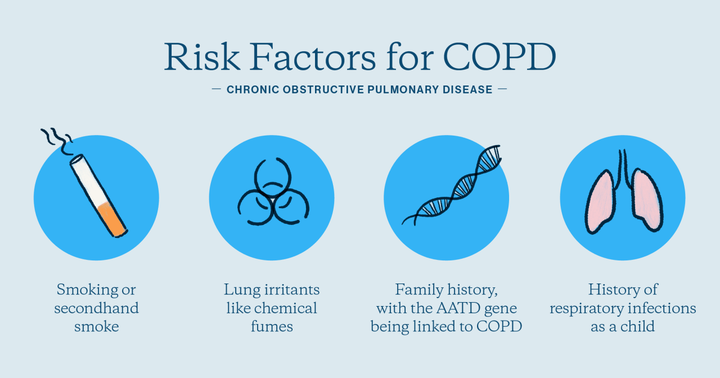
Causes of COPD are related to various factors, including long-term smoking(primary risk factor), indoor and outdoor air pollution, occupational dust and chemical exposure, recurrent respiratory tract infection, genetic factors(e.g. deficiency of alpha-1-antitrypsin) and pulmonary dysplasia etc. These factors can affect pulmonary function individually or synergistically, increasing the incidence rate.
2. Pathogenesis
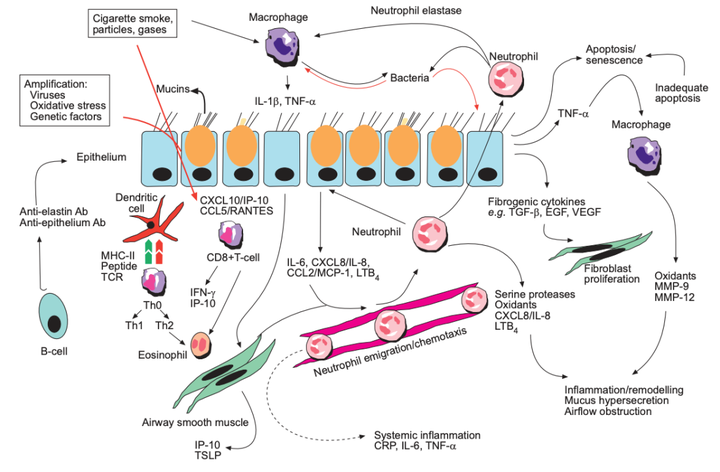
Pathogenesis of COPD mainly includes chronic airway and lung parenchyma inflammation, damage of alveolar structure and airway remodeling, persistent airflow limitation etc. Core mechanisms include inflammatory cell infiltration(e.g. neutrophils, macrophages) induced by long-term smoking or environmental pollution. Release of inflammatory factors(e.g. IL-8, TNF-α etc) induces airway injury. Besides, increase of ROS causes oxidative stress and aggravates tissue injury. Besides, activity of protease(e.g. elastase) increases. Function of antiprotease(e.g. alpha-1-antitrypsin) decreases. Damage of alveolar wall promotes pulmonary emphysema.
3. Current Therapeutic Progress
COPD is mainly involved in bronchi and alveolus. Pulmonary drug delivery can directly affect target organs and is the preferred therapy. Bronchodilator agents and anti-inflammatory drugs can relieve symptoms but can't completely control disease development and acute exacerbation. Strong heterogeneity of diseases should optimize restricted traditional therapy to satisfy patients' requirements.
4. Development of New Drugs
Development of COPD drugs include three stages: traditional bronchodilator agents, anti-inflammatory therapy and biological agents. Current development focuses on two aspects: optimization of traditional drugs(e.g. dual bronchodilator), biologic targeted agents(e.g. monoclonal and bispecific antibody), promoting accurate and individual treatment of COPD.
5. Innovation of Two Targeted Agents
Ensifentrine is the first inhaled dual PDE3/4 inhibitor, and approved by FDA for moderate-severe COPD treatment in 2024. Triple curative effects include bronchodilation, anti-inflammation and removal of mucus. Dupilumab is the first biologic targeted agent approved for COPD treatment in 2024. Applicability for adult patients with increased eosinophils show accurate COPD treatment via biologic agents. Over 50 R&D pipelines for COPD biologic agents are available worldwide, focusing on Th2 inflammatory pathway. Previous researches on drugs targeting Th1 pathway(e.g. TNF-α, IL-8, IL-1) fail. Current hot targets include IL-5/IL-5R, IL-4(R)/IL-13, TSLP, IL-33 and ST2 etc. Development of IL-5/IL-5R is faster. Competition of less drugs are lower. Mepolizumab from GSK Plc has been submitted to China for assessment. Once approved, it's expected to be the first biologic agent supporting once-monthly administration.
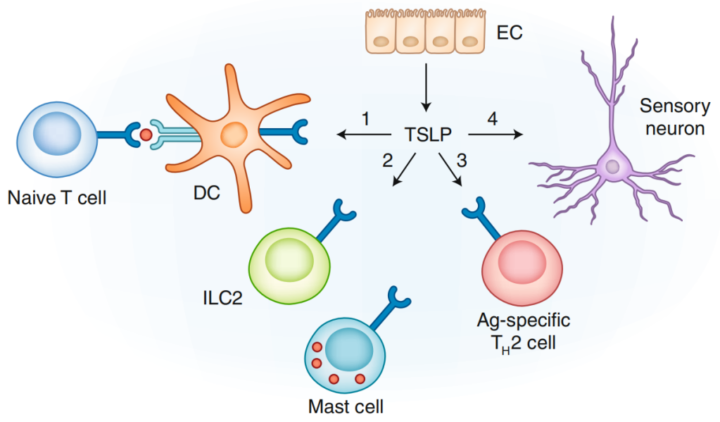
TSLP monoclonal antibody targets upstream alarmins of type-2 immunity. Blocked binding with receptors inhibits various cells mediated multiple inflammatory pathways, e.g. dendritic cell, mast cell, Th2 cell etc. Compared with targets like IL-4R, upstream effects of TSLP in inflammatory cascade broadens applications. Distribution in tumor is wide. Development in indications for asthma is advanced. Relevance to pathogenesis of asthma promotes COPD treatment.
| Target | Antibodies | Recombinant Proteins | ELISA Kits |
| TSLP | TSLP antibody | TSLP recombinant protein | TSLP ELISA Kit |
| IL-4 | IL-4 antibody | IL-4 recombinant protein | IL-4 ELISA Kit |
| IL-5 | IL-5 antibody | IL-5 recombinant protein | IL-5 ELISA Kit |
| IL-13 | IL-13 antibody | IL-13 recombinant protein | IL-13 ELISA Kit |
| IL-6 | IL-6 antibody | IL-6 recombinant protein | IL-6 ELISA Kit |
| IL-1β | IL-1β antibody | IL-1β recombinant protein | IL-1β ELISA Kit |
| IL-25 | IL-25 antibody | IL-25 recombinant protein | IL-25 ELISA Kit |
| IL-33 | IL-33 antibody | IL-33 recombinant protein | IL-33 ELISA Kit |
| CXCL8 | CXCL8 antibody | CXCL8 recombinant protein | CXCL8 ELISA Kit |
| MMP-9 | MMP-9 antibody | MMP-9 recombinant protein | MMP-9 ELISA Kit |
| TIMP-1 | TIMP-1 antibody | TIMP-1 recombinant protein | TIMP-1 ELISA Kit |
| TNF-α | TNF-α antibody | TNF-α recombinant protein | TNF-α ELISA Kit |
| CRP | CRP antibody | CRP recombinant protein | CRP ELISA Kit |
REFERENCES
[1]Sestrin2 alleviates cognitive impairment via inhibiting hippocampus ferroptosis in cigarette smoke-induced chronic obstructive pulmonary disease, PMID: 40466570.
[2]AhR-mediated histone lactylation drives cellular senescence during benzo[a]pyrene-evoked chronic obstructive pulmonary disease, PMID: 40609471.