Role of Chemokines in Cancer Treatment

Abstract:   Chemokines consist of over 50 kinds of polypeptides. Their roles in immune response and cancer treatment are very important. They coordinate the recruitment of immune cells, spatial distribution in the tissue and interaction. Chemokines include four types: CXC(α subfamily), CC(β subfamily), XC(γ subfamily) and CX3C(δ subfamily). Multiple roles of chemokines and their pathways in …

Read More

Multicolor Flow Cytometry Panel Design

Abstract:   Panel design plays an important role in flow cytometry and determines the quality of experimental results. The accuracy of experimental results is affected by cell surface antigen, antibody selection, fluorochrome labelling and reagent combination. With the technical development, modern flow cytometers can synchronously detect over 40 parameters and analyse more complex problems. Proper panel …

Read More

Macrophage Markers for Flow Cytometry

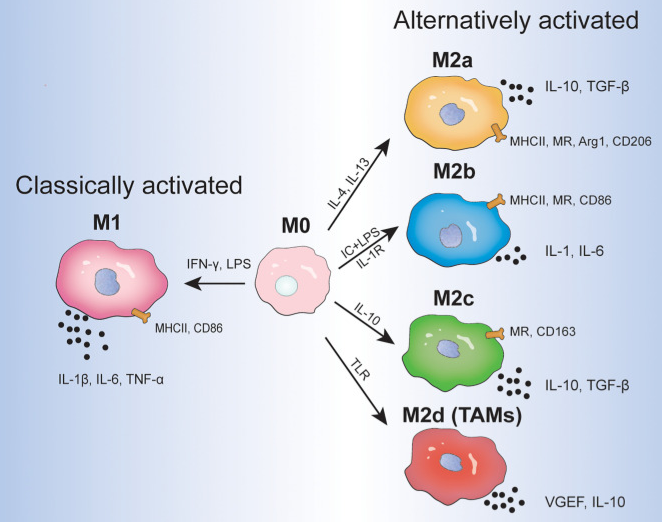
Abstract: Macrophages are immune cells widely distributed in various human tissues, and play an important role in tumor immunity and critical illness. As the component of mononuclear phagocyte system, macrophages are mainly responsible for phagocytizing dead cells, cell debris, pathogen and other foreign substances. Besides, roles of macrophage markers in signal transduction and regulation are …

Read More

Role of GLP-1 in Blood Sugar Control

Abstract: GLP-1 is the hormone secreted by intestinal L cell. Food intake can activate GLP-1 receptor to regulate blood sugar level. GLP-1 decreases blood sugar via reducing the secretion of glucagon and promoting islet β cell to secrete insulin. Besides, GLP-1 helps the proliferation and protection of islet β cell. However, GLP-1 is rapidly hydrolyzed …

Read More

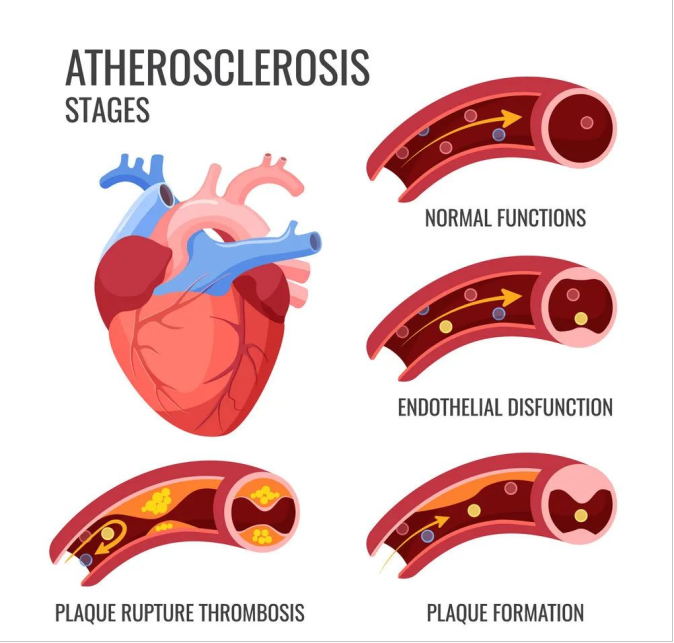
Causes and Prevention of Hypertension

Abstract: Hypertension refers to long-term higher arterial blood pressure. The consistent blood pressure reading of 130/80 or 140/90 mmHg may be hypertension. Essential and secondary hypertension are the two types, 90%-95% of which is essential hypertension with unknown etiology, possibly induced by the interaction of genetic and environmental factors. Secondary hypertension(5%-10%) is caused by some …

Read More

Role of E-Cadherin in Cancer

Abstract: Cadherin protein is the important cell surface protein family, including E-Cadherin, N-Cadherin, VE-Cadherin, P-Cadherin, R-Cadherin and K-Cadherin. E-Cadherin is also called intercellular adhesion molecule-1(CDH1) and plays a key role in intercellular junction. CDH1 maintains cell adhesion and complete structure via involving in cell polarity and migration. The general expression in epithelial tissue is important …

Read More

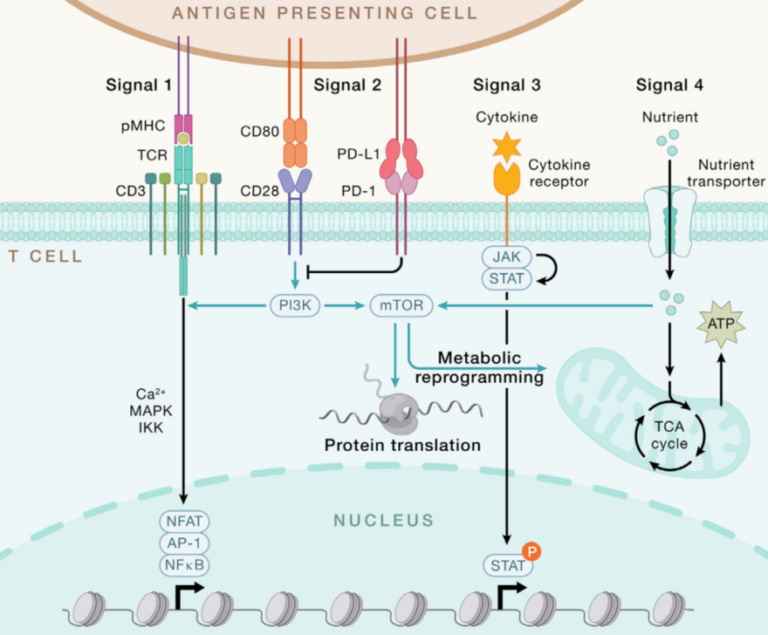
PD-1 and PD-L1 in Cancer

Abstract: Programmed cell death-1(PD-1) and its ligand 1(PD-L1) are important immune checkpoints regulating adaptive immune response. PD-1 consists of 288 amino acids and is mainly expressed in activated T cell, B cell and tumor infiltrating lymphocyte. PD-L1 consists of 290 amino acids and is widely distributed in tumor and antigen presenting cells. They interact with …

Read More

Non-specific Antibody Binding in Flow Cytometry

Abstract: Non-specific antibody binding plays a key role in getting accurate results during flow cytometry. High non-specificity not only produces false positive signal, but also can conceal true biomarkers. Thus, it’s important to identify the source and effects of non-specificity. Optimization of experimental condition, proper antibody selection and strict control can effectively decrease non-specificity and …

Read More

Controls in Flow Cytometry

Abstract: Controls play an important role in flow cytometry. Accurate and reliable results can’t be obtained without proper controls. First, signals are relative(e.g. diffused light and fluorescence signal). Thus, blank or unstained control is required to define signal range. Second, during setting gating of the target cell population, various controls help to determine the gating …

Read More

Targeted Therapy for KLK2 Prostate Cancer

Abstract: Kallikrein 2(KLK2) is the trypsin-like serine protease, about 78% homologous with prostate-specific antigen(PSA). Androgen receptor(AR) regulated-KLK2 is specifically expressed in prostatic epithelial and cancer cells. KLK2 plays an important role in the development of prostate cancer, and relevant to tumor invasion. Thus, KLK2 is considered to be a potential biomarker for prostate cancer targeted …

Read More

Product Comparison