

Abstract: IL-1 family cytokines include 11 pro-inflammatory and anti-inflammatory cytokines with inactive precursor forms, over 10 multichain receptors, two decoy receptors, a inhibitory protein and two receptor antagonists. IL-1RA is the most famous one and can naturally inhibit activation of IL-1R1. Various functional collaborations or antagonism highlights complex biofunction and precise regulation of this family.
Keywords: IL-1 family, Inflammation, Autoimmune Diseases, Tumorigenesis, NLRP3 inflammasome, Targeted Therapy
1. IL-1 Family Cytokines and Receptor-Mediated Inflammatory Signaling
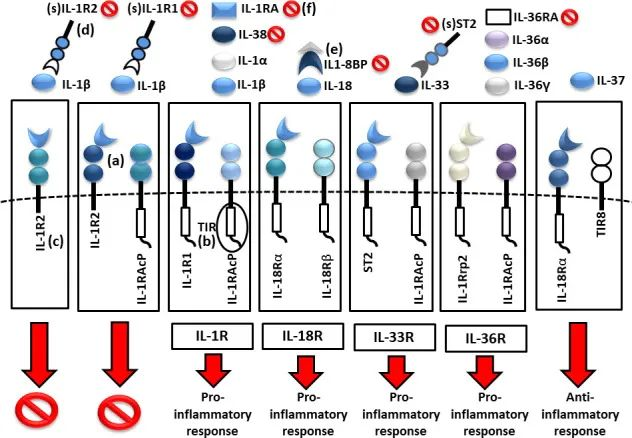
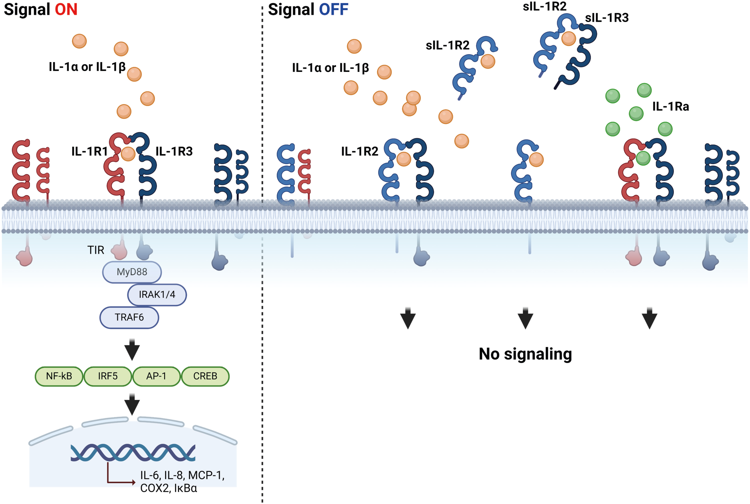
IL-1 cytokine family is very important, including IL-1, IL-33 and IL-36 etc. Binding to different receptors drives heterodimerization with IL-1RAcP. Recruitment of MyD88 initiates signaling cascades. Expression of inflammatory genes is promoted. IL-1Rs is the member of Ig-like receptor family, and consists of Toll/IL-1 receptor(TIR) domain relevant to innate immune response.
2. IL-1 Family in Immunity and Diseases
IL-1 is the key cytokine regulating immunity and inflammation. Roles in various diseases, fever induction and activation of HPA axis are significant, such as tumors, autoimmune diseases, and infections. The family includes IL-1α and IL-1β. Shared receptors and similar functions still show different features. Constitutive expression of IL-1α appears in various cells. Release during necrosis promots inflammation and possible tumor development. Cleavage of IL-1β by immunocytes produces mature form after activation of inflammasomes(e.g. NLRP3). The regulation of secretion should be strict. IL-1β can regulate various inflammations, metabolism and immuno-related genes. Involvement in adaptive immune regulation shows its significant pathogenesis in rheumatism, arterial disease, and cancer.
2.1. Protective and Pathogenic Roles of IL-1 in Immune Regulation and Inflammation
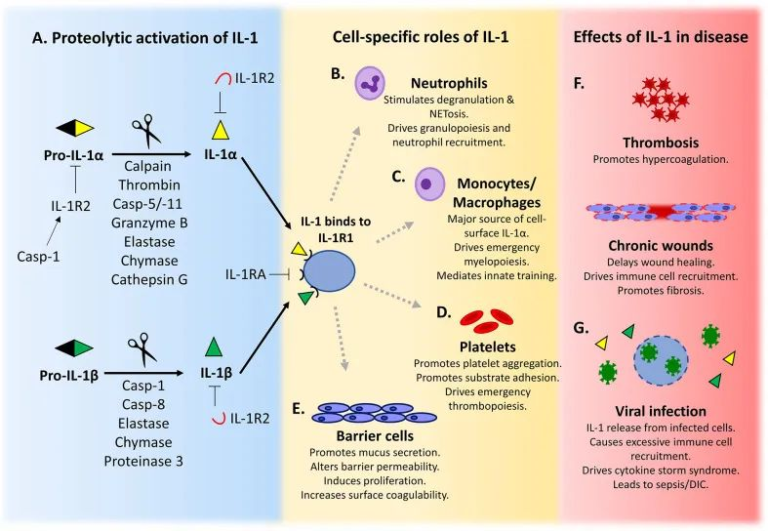
Roles of IL-1 in immune regulation, barrier maintenance, and inflammatory response are important. It can activate T\B cells and macrophages. Recruitment of immunocytes to infected sites shows the alert function. In epithelial tissues(e.g. skin, intestines, respiratory tract etc), IL-1 is involved in barrier repair, immune regulation, fever and anti-infective response. Besides, induced release of cytokines(e.g. TNF-α, IL-6, IL-8) increases vascular permeability and promotes infiltration of immunocytes. Dysfunction can also cause chronic inflammation or autoimmune diseases.
2.2. High-Affinity IL-1R1 in IL-1 Signaling
Higher affinity of IL-1R1 to IL-1 highlights its key role in mediating IL-1 signaling pathway. Binding of IL-1 among IL-1R1 and IL-1R3 produces heterotrimer and activates pathways to trigger pro-inflammatory response, such as NF-κB, MAPK etc. Effects of various factors on receptor affinity include genetic variation, alternative splicing, post-translational modification and regulating proteins. Different affinity statuses can regulate downstream signal intensity, and further accurately control intensity and duration of inflammatory and immune responses.
2.3. IL-1 in Tumorigenesis and Tumor Progression
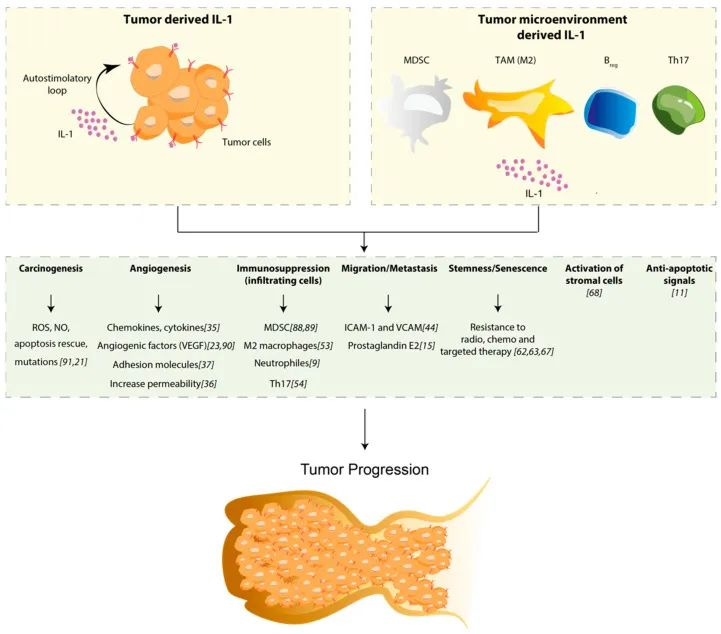
Roles of IL-1 in tumorigenesis and tumor progression are important: Induce tumorigenesis via promoting chronic inflammation, DNA damage and angiogenesis; Regulate tumor microenvironment and improve immunosuppression and neovascularization; Affect function of immunocytes and promote accumulation of MDSCs via inhibiting anti-tumor T cell response; Involvement in drug resistance mechanism causes therapeutic resistance via coordinating with pathways(e.g. EGFR). High expression of IL-1 usually indicates poor prognosis and key roles in cancer treatment.
2.4. Dysregulated IL-1 Signaling in Autoimmune Diseases
Abnormal IL-1 signal can break immune tolerance via involvement in various autoimmune diseases. Transformation to pathogenic effector cells promotes production of inflammatory factors(e.g. IL-17) via enhancing T cell response and inducing functional instability of Tregs. Thus, diseases like EAE and arthritis are more severe. Besides, IL-1 affects non-immune cells(e.g. islet cells, fibroblasts). Interfered functions induce tissue damage. It also promotes inflammation and development of diseases like Type 1/2 diabetes, rheumatoid arthritis and systemic sclerosis.
2.5. IL-1-Mediated Inflammation in Tissue Repair and Pathogenesis
During skin injury, IL-1 mediated inflammatory response recruits immunocytes. Promotion of fibroblast proliferation and collagen synthesis accelerates wound healing. Besides, regulation of MMPs improves tissue remodeling. However, over-activation induces chronic inflammation and blocks healing. Besides, stronger IL-1 signal can promote coagulation and increase the risk of thrombus. Inhibition of pathways decreases thrombus events, showing dual roles of IL-1 in tissue repair and pathogenesis.
3. Advances in IL-1-Targeted Therapy
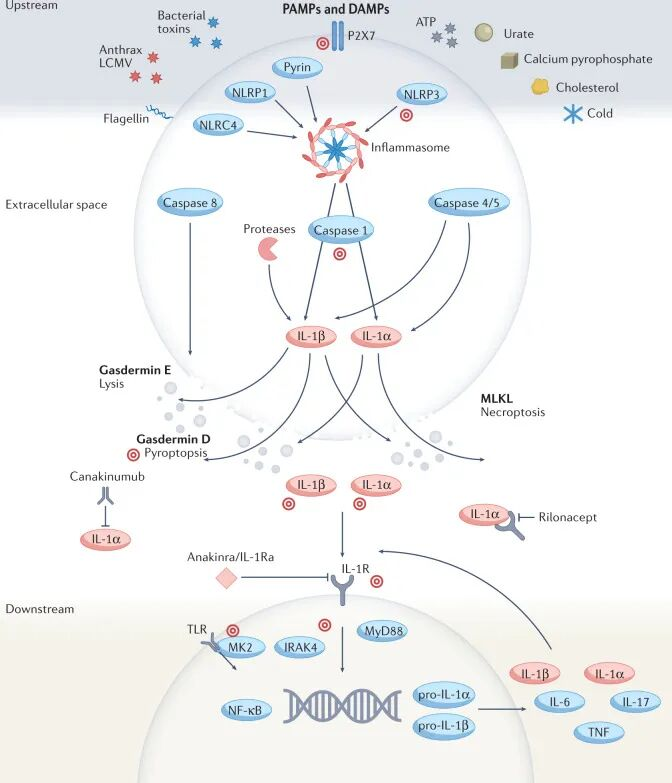
Colchicine is the earliest drug for treatment of IL-1 mediated autoinflammatory disease. In 2001, FDA approved-IL-1 receptor antagonist Anakinra was used for rheumatoid arthritis treatment, showing the beginning of IL-1 targeted therapy in clinical applications. Besides, two IL-1 targeted biological reagents were approved: Recombinant fusion protein Rilonacept inhibits IL-1α, IL-1β and IL-1RA via binding with them; Canakinumab is a human monoclonal antibody specifically neutralizing IL-1β. These IL-1 targeted drugs show better efficacy and similar safety in various inflammatory diseases. Main adverse drug reactions are the increasing risk of mild non-opportunistic infection, which can be controlled without withdrawal.
Development of small molecule inhibitors targeting IL-1 pathway is wide. NLRP3 inflammasome is the key node for IL-1β activation. E.g. MCC950 can effectively inhibit the activation and reduce infection risk. Inhibitors upstream targeting P2X7 receptor or downstream targeting signaling molecules(e.g. caspase-1, IRAK4, MK2 etc) are designed for blocking production or signal transduction of IL-1. BBB(blood-brain barrier)-penetrating feature of small molecule drugs provides new therapeutic strategies for IL-1 mediated inflammatory diseases.
|
|
|||
|
|
|
|
|
|
|
|
|
|
|
|
|
|
|
|
|
|
|
|
|
|
|
|
|
|
|
|
|
|
|
|
|
|
|
|
|
|
|
|
|
|
|
|
|
|
|
|
|
|
|
|
|
|
|
|
|
|
|
|
|
|
|
|
|
|
|
|
|
|
|
|
|
|
|
|
|
|
|
|
|
|
|
|
|
|
|
|
|
|
|
|
|
|
|
REFERENCES
[1]Advances in targeting IL-1 family cytokines for the treatment of inflammatory diseases, PMID: 42426206.
[2]B cells inhibit IL-1 family cytokine production and Mycobacterium tuberculosis growth in human CD14+ cells, PMID: 41208111.